

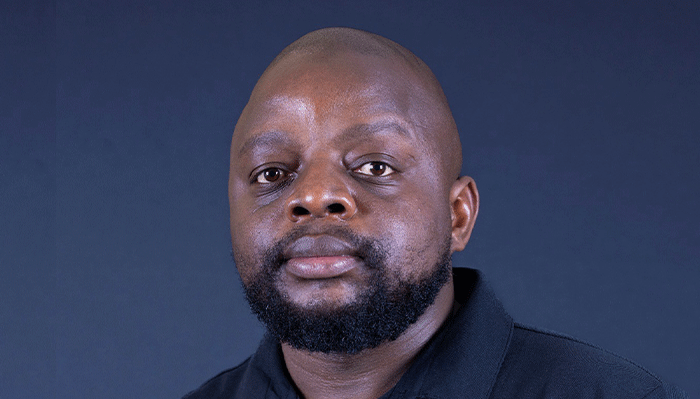
Meet Dr Hadebe, a postdoctoral fellow based in the Department of Agriculture and Animal Health. Dr Hadebe completed his undergraduate and master’s degrees in Animal Science at North-West University, Mafikeng Campus, where he graduated with cum laude honours at master’s level.
Read more about this dedicated researcher as he shares his journey of pursuing a PhD in New Zealand, reflecting on his experiences, challenges and the valuable insights gained from his international academic training. Be inspired by his story.
How would you describe your overall experience of studying outside South Africa?
Studying outside South Africa has been one of the most powerful experiences of my life. Academically, it opened my field in ways I hadn’t imagined—new perspectives, new methods and a completely new environment that pushed me to grow out of my comfort zone and boosted my confidence.
What initially motivated you to pursue your PhD abroad rather than locally?
What initially motivated me to pursue my PhD abroad rather than locally was a deep desire for personal growth and adventure. I wanted new challenges, new opportunities and a chance to see my limits. I had completed my BSc, honours and MSc at the same university in South Africa, and I had become very comfortable there. An international PhD promised global exposure, a broader network and a different way of thinking. When the opportunity to study abroad came, I knew I had to take it.
Were there any notable cultural or social differences that stood out to you during your time abroad?
Interestingly, academically there weren’t massive differences between my South African institution and my host university (Lincoln University) in New Zealand in terms of content and standards. The real standout difference was how deeply my host university was integrated into the local community and industries. The university closely collaborates with farmers; their products are sold locally, and research directly feeds into real-world practice. It felt like a living ecosystem where you could literally see your field at work all around you. As a student, that made my studies feel tangible and impactful.
What challenges did you face while adapting to a new academic and cultural environment, and how did you overcome them?
Academically, the transition to PhD level in New Zealand meant far less supervision and far more independence. I was not used to that type of supervision, so I had to become very intentional with my time and develop strong self-management skills. Fortunately, the university offered robust academic support through the library services. Every week there were workshops on time management, productivity, academic writing and career development. I took full advantage of these, and they became key to my success in adapting to both the academic demands and the new environment.
Culturally and socially, a few things stood out, but my biggest challenges were surprisingly practical. The new time zone threw me off for a few weeks, and adjusting to a different currency forced me to rethink how I managed money. I handled it by sticking to a strict budget until I got used to the cost of living and exchange rates.
What new skills (technical, academic, or personal) did you develop during your international experience?
During my international experience, I transitioned from a purely quantitative genetics background into hands-on molecular genetics for the first time. Every step of my PhD work — from DNA extraction through sequencing to data analysis and result interpretation — was completely new to me. I didn’t just learn techniques; I built an entire toolkit of wet-lab and analytical skills that transformed how I work as a scientist.
In what ways has your international training influenced your current work as a postdoctoral fellow?
Studying abroad fundamentally reshaped how I view research, innovation and collaboration. Being immersed in a different scientific environment exposed me to new scientific methods and a culture of open, interdisciplinary teamwork. When I finally returned to South Africa, I secured a postdoctoral fellowship under some of the leading figures in bioinformatics. The combination of my newly acquired wet-lab experience and my drive to keep learning in genetics directly shaped my current role at the University of South Africa (UNISA), positioning me at the interface of experimental and computational biology.
Would you recommend studying abroad to South African postgraduate students, and why?
Yes, I recommend that South African postgraduates study abroad, not necessarily because of content, but for exposure and a different perspective.
If you had to summarise your international experience in one sentence, what would it be?
Studying abroad challenged me to adapt and grow both as an academic and as an individual.
*By Department of Agriculture and Animal Health Website Committee
Publish date: 2026/03/27

 Unisa raises R8 million at gala dinner to tackle student debt
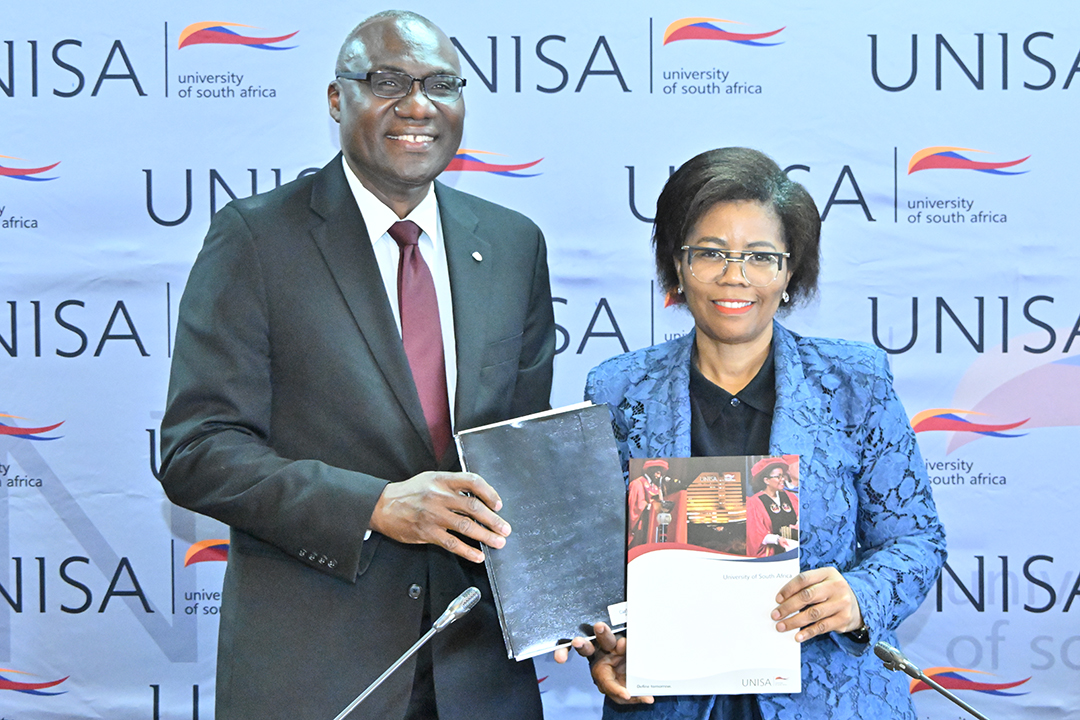 Unisa and Carleton University formalise partnership to expand academic collaboration
 Astronomy lecture highlights Africa's role in advancing space science at Unisa
 Students take centre stage as Unisa hosts National Multilingual Student Debate
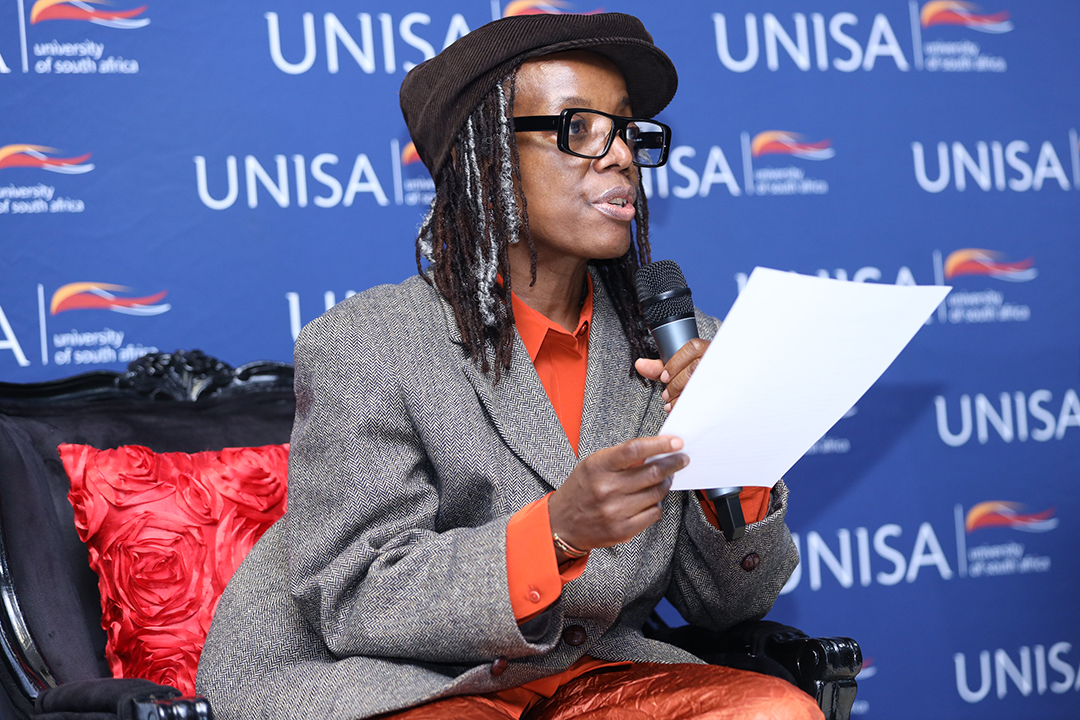 Es'kia Mphahlele's legacy lives on as Unisa hosts 17th Annual Memorial Lecture