

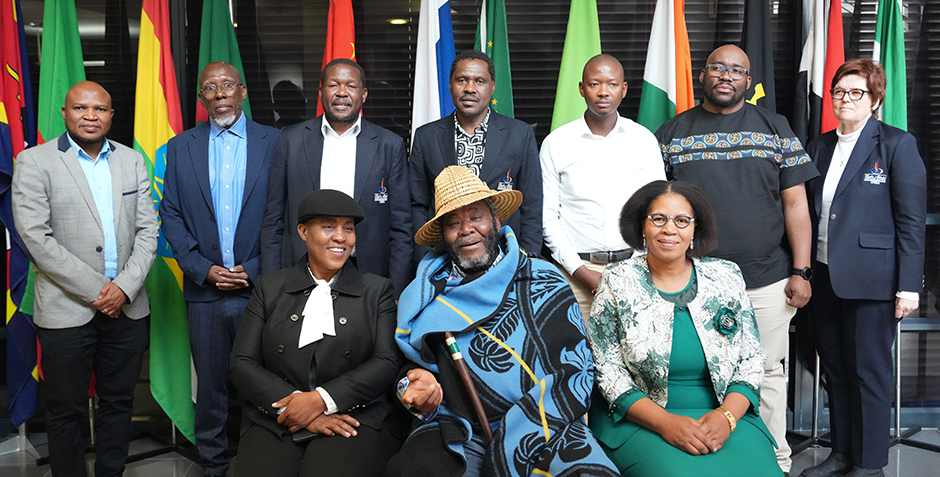
The Thabo Mbeki African School of Public and International Affairs (TM-School) hosted the African Renaissance and SeMoshoeshoe in the Context of African Leadership seminar on 17 August 2026, bringing the University of South Africa into dialogue with the Moshoeshoe I Institute of Peace and Leadership at the National University of Lesotho.
At its centre was a question with contemporary urgency: What does it mean to lead Africa from an African perspective?
Opening the seminar, TM-School Acting Executive Dean Prof Edith Phaswana described the engagement as more than an academic gathering. It was, she said, an opportunity to place "African ideas, African histories and African leadership traditions at the centre" of debates about the continent’s present and future.
Prof Phaswana cautioned against simply romanticising Africa's historical leaders. Their relevance, she argued, should instead be tested against present challenges: building institutions that serve society, cultivating accessible and accountable leadership, resolving conflict through dialogue and giving younger generations the confidence to shape Africa's future.
Prof Keneuoe Motšoene, Director of the Moshoeshoe I Institute of Peace and Leadership, located SeMoshoeshoe within the project of the African Renaissance.
She described it as a body of leadership values emerging from the life and statecraft of Morena Moshoeshoe I – including peace, service, magnanimity, forgiveness, reconciliation, Ubuntu, tolerance of dissent and respect for diversity.
For Motšoene, recovering such traditions does not mean retreating nostalgically into the past. Rather, it requires critically recovering indigenous systems of knowing, being and governing to address contemporary African problems instead of depending exclusively on imported paradigms. The Historian Prof Sifiso Mxolisi Ndlovu and acting Director: Academic Research and Knowledge Hub at the TM-School, reinforced this argument by tracing the intertwined political histories of Basotho and South Africans. He recalled Basotho participation in the establishment of the South African Native National Congress in 1912 and argued that the history of Southern African political organisation was more Pan-African and interconnected than contemporary national boundaries sometimes suggest.
Keynote speaker Dr Pali Lehohla, former Statistician-General of South Africa, developed SeMoshoeshoe into a wider philosophy of governance and statecraft.
Drawing on Moshoeshoe I's diplomacy, military strategy and political economy, Lehohla argued that peace should not be mistaken for weakness. In Moshoeshoe’s statecraft, reconciliation, strategic restraint and preserving the dignity of an adversary could themselves become instruments of sovereign power.
He examined restorative justice rather than vengeance, open public deliberation rather than sycophancy and the Mafisa system of productive redistribution as examples of an indigenous political philosophy concerned with preserving human life and incorporating vulnerable people into productive society.
Lehohla then brought these principles into the present, connecting them to food sovereignty, migrant labour, economic inequality, colonial borders, xenophobia, the African Continental Free Trade Area and Africa’s position in a multipolar international system.
The seminar took an important turn when Unisa Principal and Vice-Chancellor Prof Puleng LenkaBula challenged participants to ask who was absent from the historical narrative.
"What happened to the women?" was the substance of her intervention.
Referring particularly to Queen Manthatisi and other women who exercised political, diplomatic and military leadership in the same historical period, LenkaBula argued that the theorisation of SeMoshoeshoe would be incomplete without bringing these women into dialogue. She specifically called for feminist and womanist theorisation to form part of that intellectual engagement.
Prof LenkaBula's intervention gave the seminar particular institutional relevance in view of Feminist, Womanist, Bosadi Theorisations as one of the university’s ten catalytic niche areas, a scholarly sphere intended to shape Unisa's institutional identity and Africa's intellectual futures. Bosadi scholarship specifically centres the lived realities and intersecting experiences of Black South African women, providing an important African-centred basis from which leadership, history, power and knowledge production can be interrogated.
LenkaBula's intervention deepened the scholarly question: How might African statecraft itself be understood differently when women’s political agency, knowledge and leadership are treated as constitutive rather than peripheral?
Closing the seminar, programme director Prof Charlotte Buitendag urged participants to ensure that the intellectual work did not remain inside the seminar room: "Get them on paper. Publish."
Her final reflection captured the wider message of the engagement: "Morena Moshoeshoe is remembered for gathering people rather than scattering them."
Watch the full seminar here.
Publish date: 2026/09/08

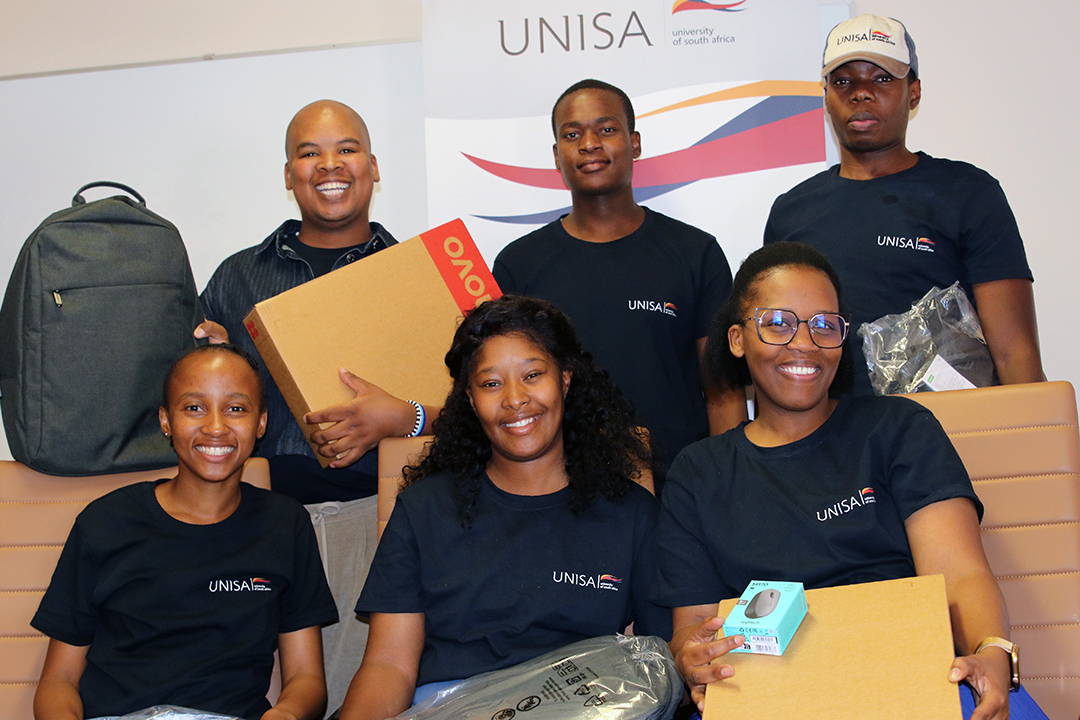 Unisa hackathon winners develop AI solution to support students at risk of falling behind
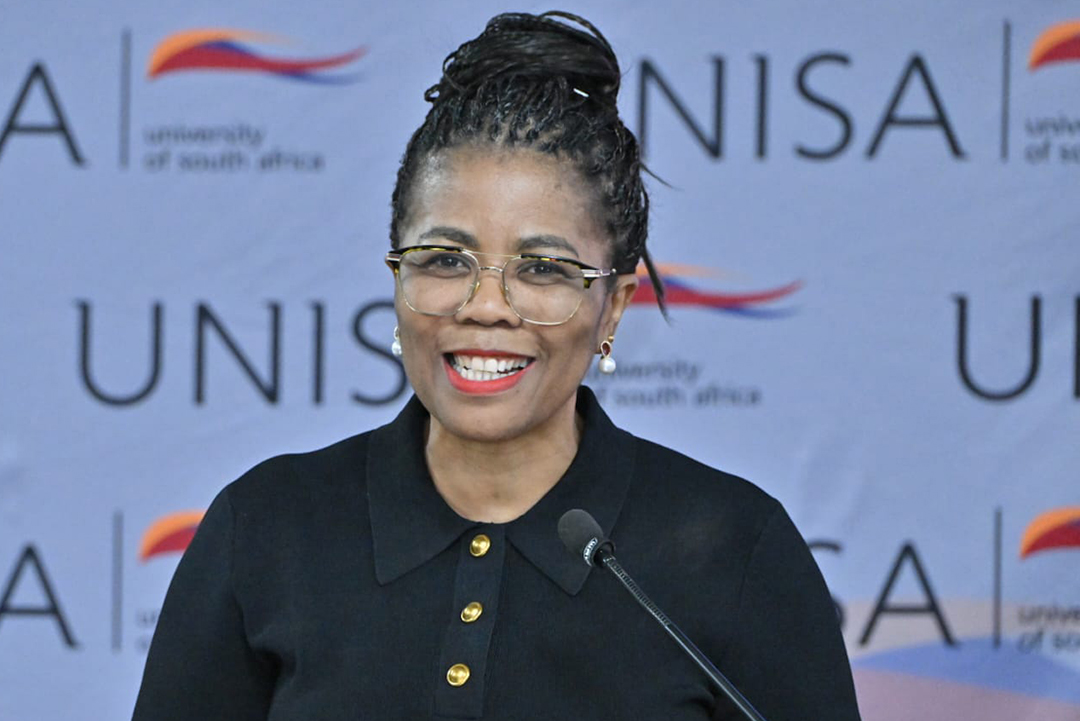 Beyond Black Wednesday: Unisa lecture calls for urgent action to protect media freedom and public broadcasting
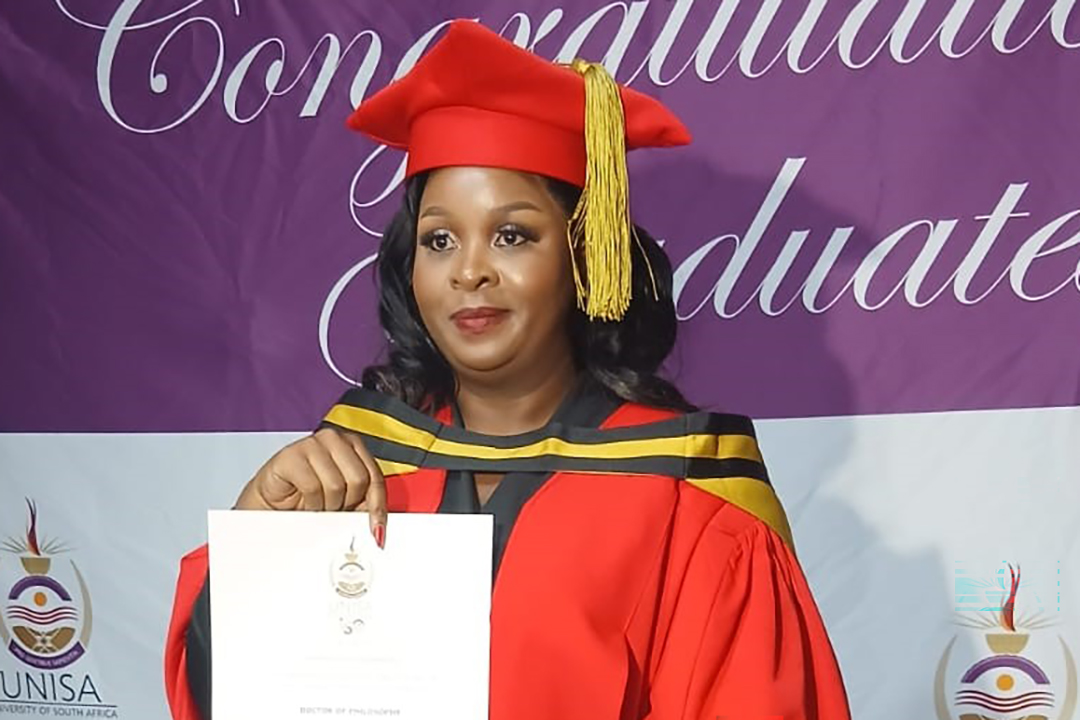 Unisa celebrates 25 new PhD graduates advancing research and innovation
 From Maramanzhi to master's: Unisa graduate champions Tshivenda through scholarship
 Unisa students help shape digital complaints system to improve accountability and service delivery