

Providing affordable, accessible, high quality, relevant Science Engineering and Technology programmes
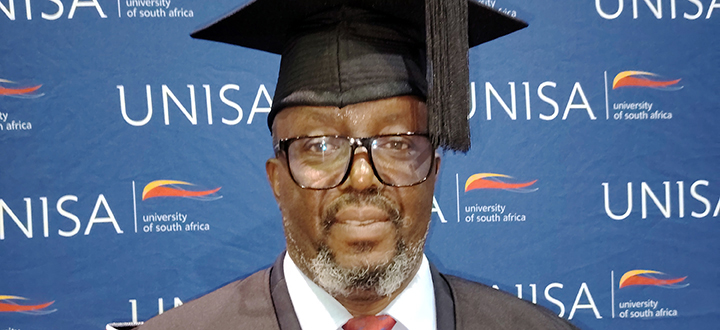
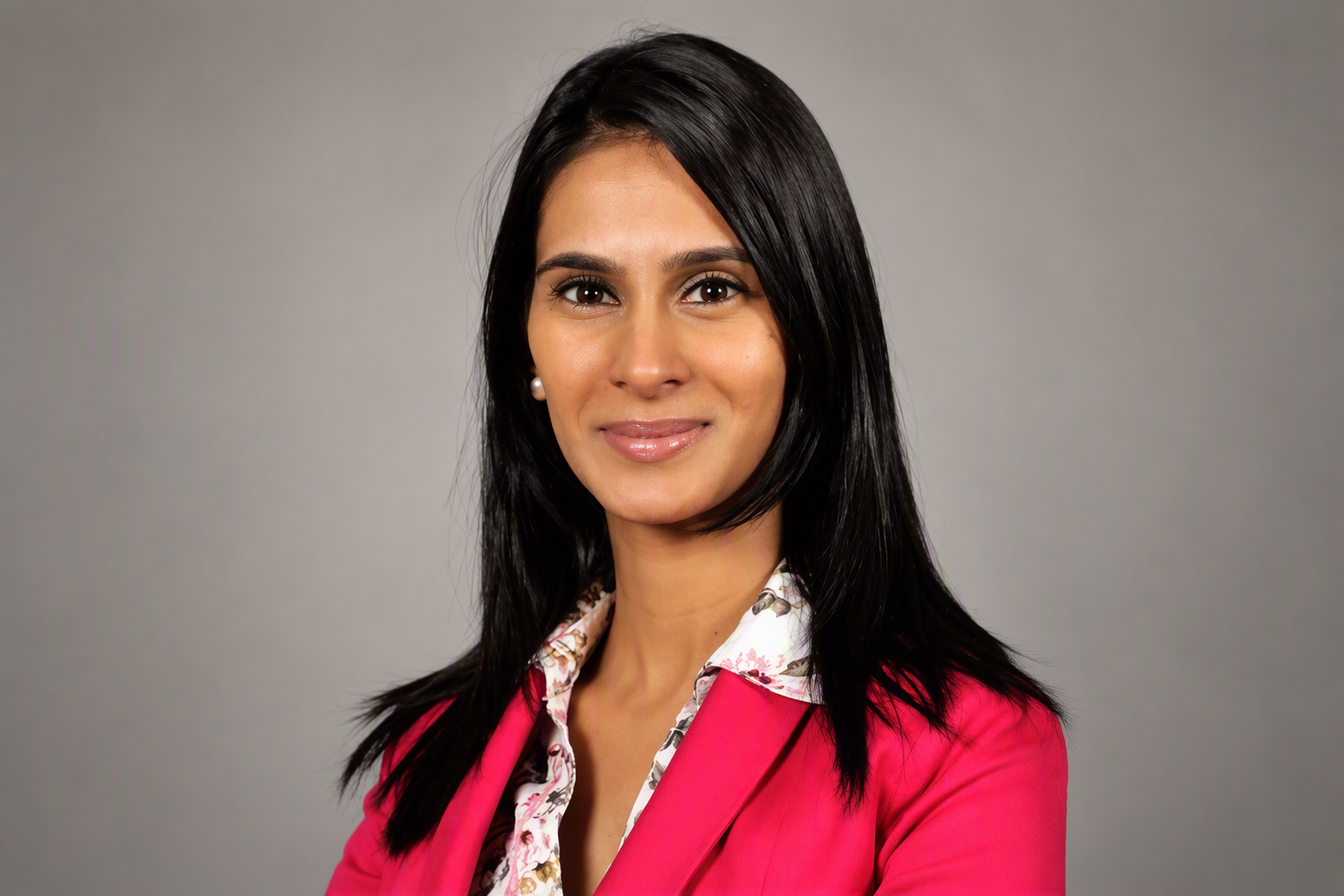
Prof Mary-Jane Bopape, meteorologist and Distinguished Professor at Unisa
Prof Mary-Jane Bopape, a seasoned meteorologist with more than two decades of work experience in numerical weather predictions and regional climate modelling, has officially joined Unisa as a Distinguished Professor in the College of Science, Engineering and Technology (CSET).
Prior to joining Unisa, Bopape held research positions at the South African Weather Service (SAWS) and the Council for Scientific and Industrial Research (CSIR). At SAWS, she specialised in the use of regional climate models for seasonal forecasting and later returned there as a chief scientist to head weather research. While at the CSIR, her focus was on climate change research and supporting earth science researchers through the Centre for High Performance Computing (CHPC), housed at the same institution. Over the years, her research has focused on the development and application of atmospheric models across a range of timescales from a few days to multi-decades.
At Unisa, Bopape will continue pursuing her research interests in weather and climate modelling, while supervising postgraduate students and mentoring postdoctoral research fellows.
"Through my work on weather predictions and climate modelling, I aim to contribute directly to Unisa’s Fourth Industrial Revolution (4IR) and digitisation catalytic niche area," says Bopape. "Meteorology and climate science provide a strong base for 4IR concepts, including big data analytics, advanced computing architectures, and artificial intelligence, enabling innovation at the interface of physical science and data science," she adds.
Her research will also have strong ties and overlaps with the marine studies catalytic niche area. Weather and climate variability over South Africa are strongly influenced by interactions between the ocean and atmosphere, including large-scale climate modes such as the El Niño-Southern Oscillation (ENSO), the Indian Ocean Dipole, and the subtropical Indian Ocean Dipole. In addition, tropical storms and cyclones that affect southern Africa tend to emanate from the southwest Indian Ocean basin.
"Conditions and processes in the ocean play a big role in predicting our weather and climate," says Bopape. "Many of the floods and severe storms that we have been witnessing in South Africa recently, start over the Atlantic Ocean, mainly because of weather systems like cut‑off lows and upper‑level troughs," she explains.
Bopape intends to contribute to strengthening Unisa’s research and training capacity in weather, climate and earth system science. She will advance key research areas, including numerical weather and climate modelling, high-resolution and process-resolving simulations, climate variability and extremes, hybrid physics-AI modelling approaches, and the application of high-performance computing to complex earth system problems. Collectively, these efforts are intended to position Unisa as a leading hub for African-centred, globally relevant weather and climate research.
Bopape joins Unisa with a strong commitment to collaboration, mentorship and inclusivity, and looks forward to working with teams across various disciplines and institutions. She is particularly passionate about creating pathways for young African scientists to thrive, ensuring that Africa not only applies global scientific tools but actively shapes and leads their development.
* By Dr Nozipho N Madzivha, Communication and Marketing Specialist (acting), College of Science, Engineering and Technology
Publish date: 2026/02/05

 Unisa strengthens global standing in 2027 Times Higher Education World University Rankings
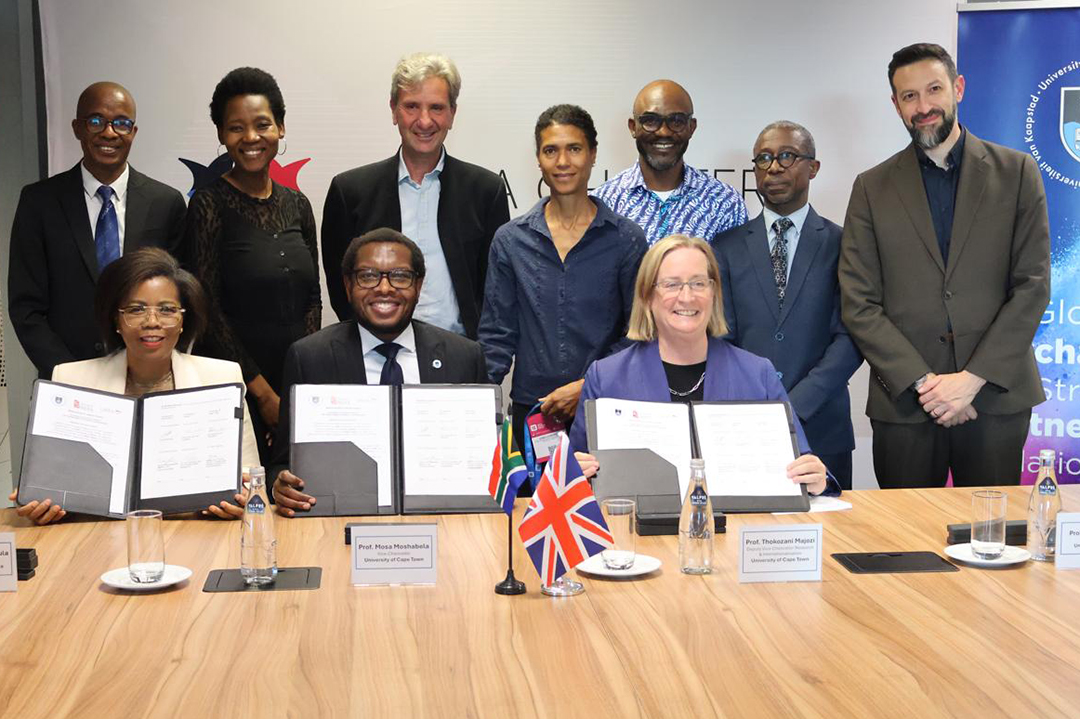 Unisa, UCT and University of Bristol strengthen partnership to transform global research collaboration
 Prof Lessing Labuschagne takes helm of Unisa's Research and Innovation portfolio
 Unisa Spring Graduation opens with stories of perseverance and achievement
 Unisa academic helps develop AI system to stay ahead of cryptocurrency scams