

Providing affordable, accessible, high quality, relevant Science Engineering and Technology programmes
The College of Science, Engineering and Technology (CSET) held a workshop on emerging water contaminants, which took place at the Science Campus on 28 August 2017. This is the research contribution conducted by the College’s Nanotechnology and Water Sustainability (NanoWS) research unit.
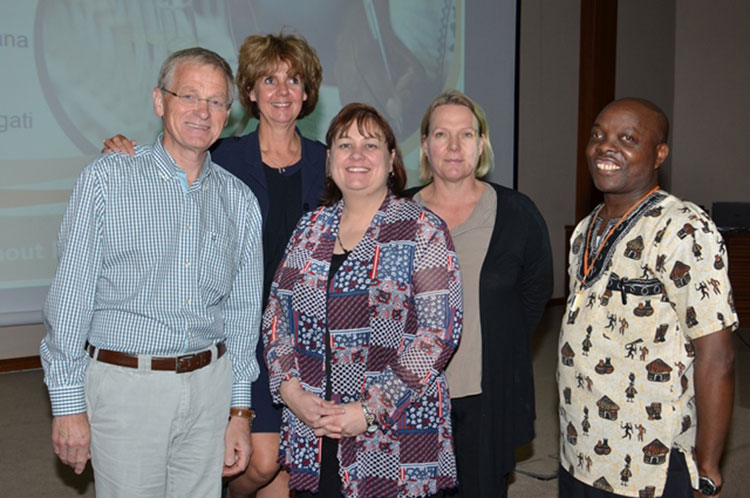 In an interview with Professor Titus Msagati, one of the researchers at NanoWS, the status quo of emerging contaminants in Southern Africa, Unisa’s ongoing research, and the future of this research were clarified. Generally, very little has been done on this area in South Africa. Some studies have generated reports that are available, and the literature has just highlighted the possible presence of some of these contaminants of emerging concern (CEC). Many of these studies were funded by the Water Research Commission of South Africa (WRC) and the technical reports are available on the WRC website. The majority of reports on CECs are mainly on surface waters, with no reports on boreholes and ground waters. There are, at the moment, a number of institutions (research and academic) that are actively involved in the research on CECs. However, these work independently with no coordinating medium to consolidate the results together.

Prof. Titus Msagati (NanoWS)at Unisa.
For the past few years (since 2013 to date), Unisa has invested in scientific research activities and, among these are research activities on CECs. Both the CSET and the College of Agriculture and Environmental Sciences (CAES) have established researchers who are working on CECs research. These groups work on various aspects of CEC research, for example, some work on method development for the analysis of such molecules and their metabolites, some on the toxicology aspect, and others work on how to remediate the aquatic environment contaminated with CECs. So far several publications on CECs have already been published by researchers from Unisa, and many more will be available in the near future.
The future trend of CEC research at Unisa will be intensified, especially on aspects of toxicology patterns in biological medium as well as technology to remediate contaminated sites with CECs. This is evident from the fact that the number of research postgraduate students enrolled at Unisa, and who are working on CECs, has been on the increase. Moreover, some members of Unisa are participating in international forums on CECs in an effort to share knowledge on how best to deal with the CECs problem. There is also a move whereby Unisa researchers are forming collaboration links with their counterparts in other top universities around the globe, who are also working on CECs. Other aspects of CEC research that is expected to take off at Unisa and, which are related to CECs, are risk assessment and the development of environmental water quality guidelines for CECs. This will be in collaboration with other researchers from countries outside the African continent, such as the Netherlands, the United States of America, Germany, etc. *Compiled by Nkululeko Mpakama
Publish date: 2017/10/01

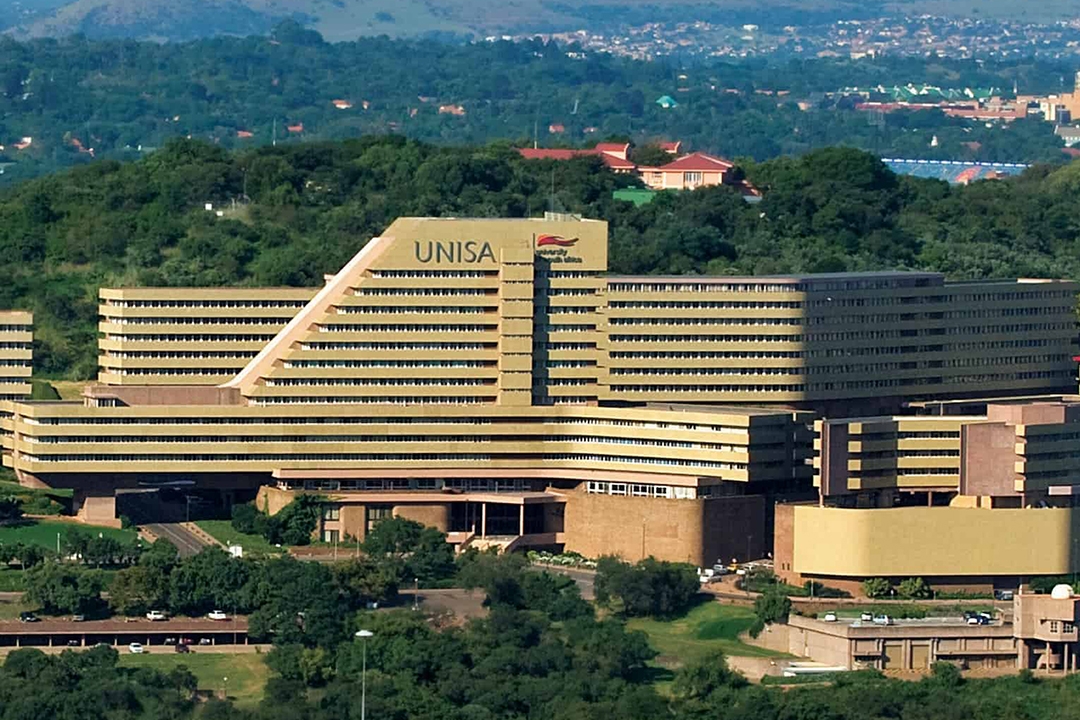 Unisa strengthens global standing in 2027 Times Higher Education World University Rankings
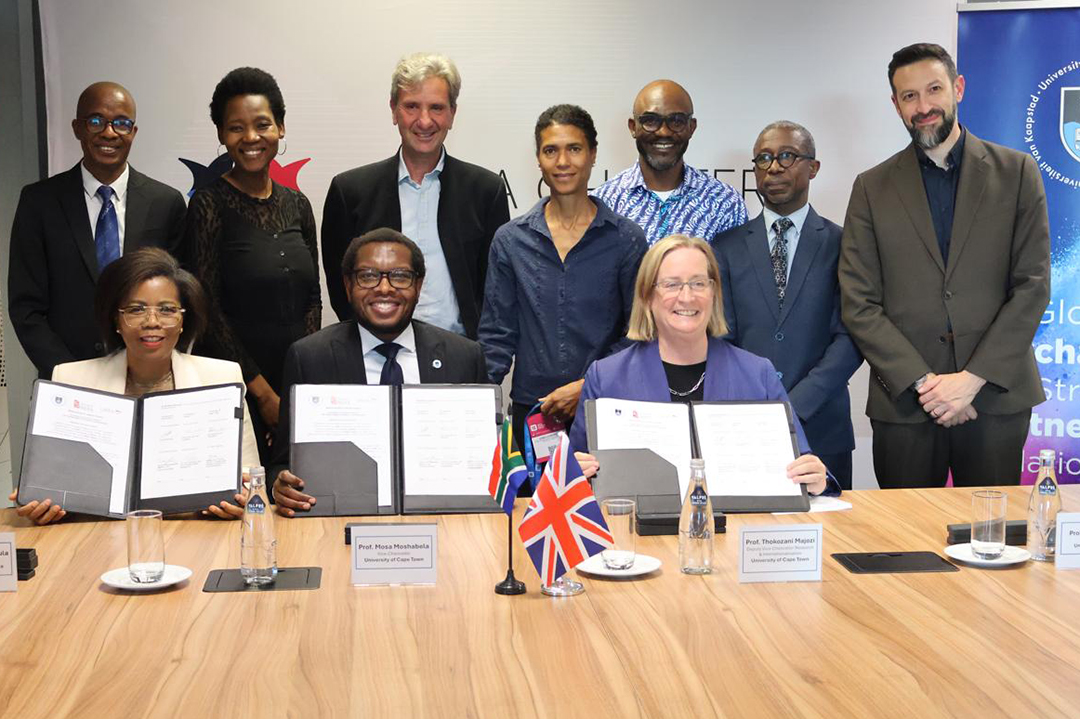 Unisa, UCT and University of Bristol strengthen partnership to transform global research collaboration
 Prof Lessing Labuschagne takes helm of Unisa's Research and Innovation portfolio
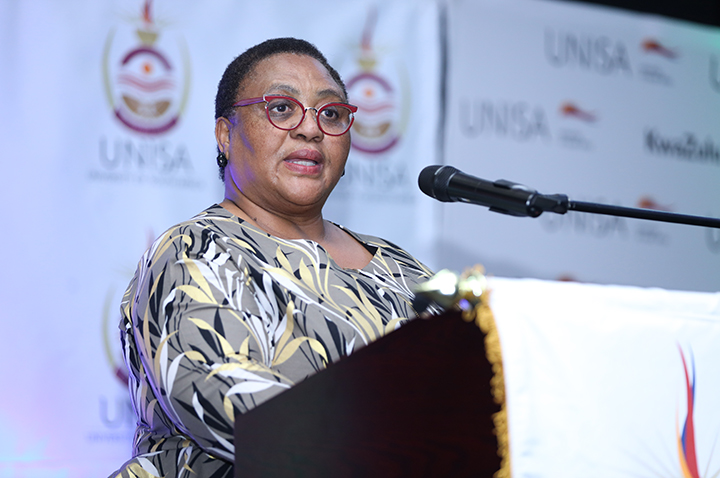 Unisa Spring Graduation opens with stories of perseverance and achievement
 Unisa academic helps develop AI system to stay ahead of cryptocurrency scams