

Producing over 40% of teachers in South Africa
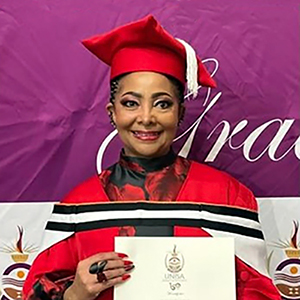
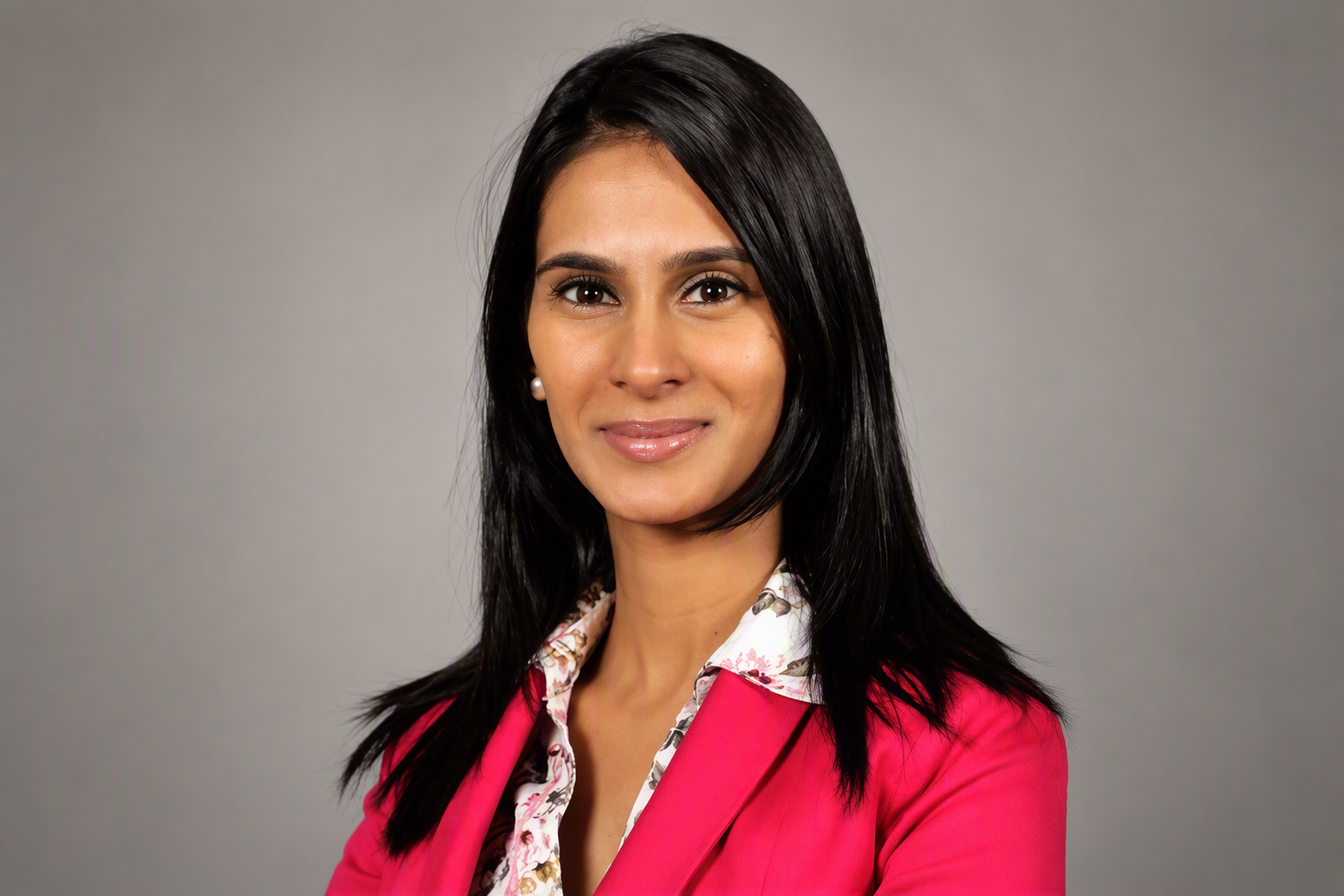
Prof Marien A. Graham, Department of Mathematics Education: Unisa, and DSTI/NRF South African Research Chair (SARChI) in Large Scale Assessments in Mathematics Education.
Most people see educational data as rows of numbers, spreadsheets and statistical models. Prof Marien Graham sees something else: learners trying to make sense of mathematics, teachers working to unlock their potential and opportunities to improve education through evidence.
This perspective has shaped Graham's career as a leading researcher in mathematics education. Her work is driven by a fundamental question: why do some learners thrive in mathematics while others struggle?
Rather than using research simply to document these challenges, Graham has focused on finding patterns, understanding their causes and turning evidence into practical solutions that can improve learning outcomes.
As the South African Research Chairs Initiative (SARChI) Chair in Large Scale Assessments in Mathematics, she is now leading research that uses large-scale educational data to investigate some of South Africa’s most pressing challenges in mathematics education.
Her goal is clear: to ensure that evidence does not remain in research reports, but helps shape teaching, learning and education policy in ways that create better opportunities for learners across the country.
"Throughout my academic career, I have been driven by a desire to use data not simply to describe educational challenges, but to uncover solutions that can make a meaningful difference in the lives of learners," she says.
Over the years, Graham has built a wide-ranging research portfolio covering mathematics education, educational technology, learner resilience, school climate and advanced statistical modelling. Through this work, she has contributed to a deeper understanding of the factors that influence mathematics achievement while generating evidence that can support more informed policy and classroom practice.
Her current research builds on this foundation. She investigates the factors that influence mathematics achievement, develops predictive models of learner performance and examines how language, gender and socio-economic conditions affect educational outcomes.
The value of this work lies in what can be revealed when large datasets are examined closely. Patterns that may not be immediately visible in individual classrooms can provide insights into where learners are struggling, which factors may be holding them back and what interventions could make a difference.
For Graham, the purpose is ultimately to turn those insights into action by providing educators, schools and policymakers with evidence that can support more effective teaching strategies and better learning experiences.
Yet, despite her achievements, Graham is clear that research is rarely the product of an individual effort.
"My achievements have been shaped by talented students, colleagues, mentors and research partners across South Africa and internationally," she says.
Looking to the future, she hopes to extend this collaborative approach by creating more opportunities for postgraduate students to participate in research, develop expertise in advanced research methodologies and connect with international academic networks.
For Graham, strengthening these research networks is about more than building academic careers. It is part of a broader effort to strengthen South Africa's research capacity and ensure that the country has the expertise needed to use educational evidence to improve the lives of its learners.
* By Noxolo Miya, Journalist, Department of Institutional Advancement
Publish date: 2026/08/20

 Unisa strengthens global standing in 2027 Times Higher Education World University Rankings
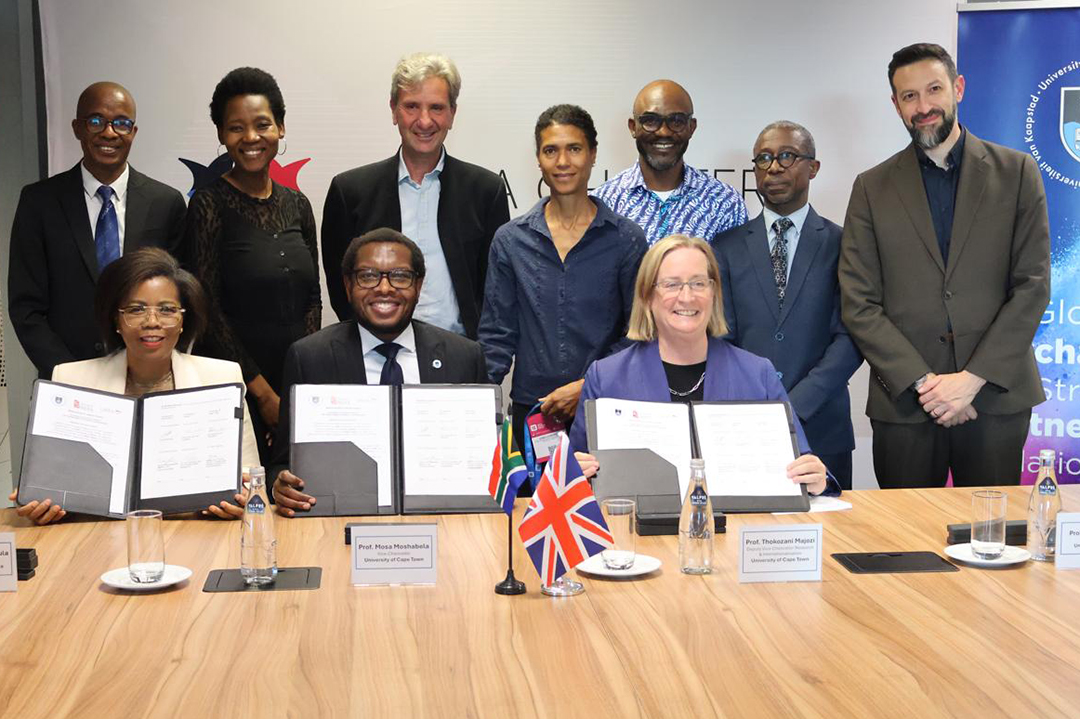 Unisa, UCT and University of Bristol strengthen partnership to transform global research collaboration
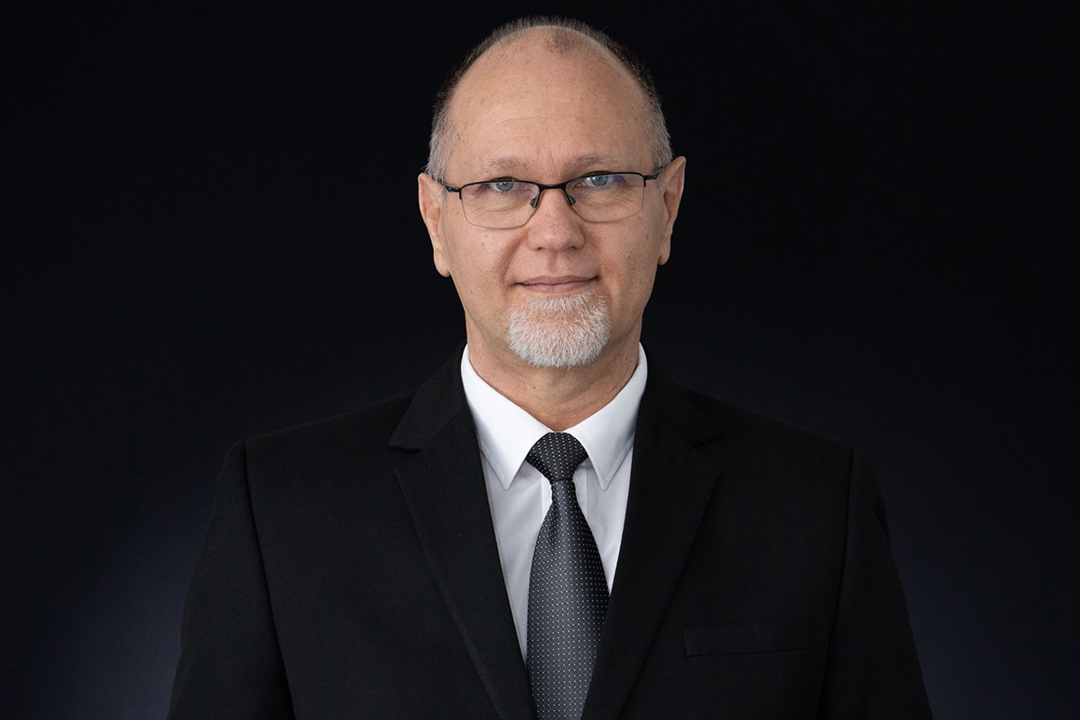 Prof Lessing Labuschagne takes helm of Unisa's Research and Innovation portfolio
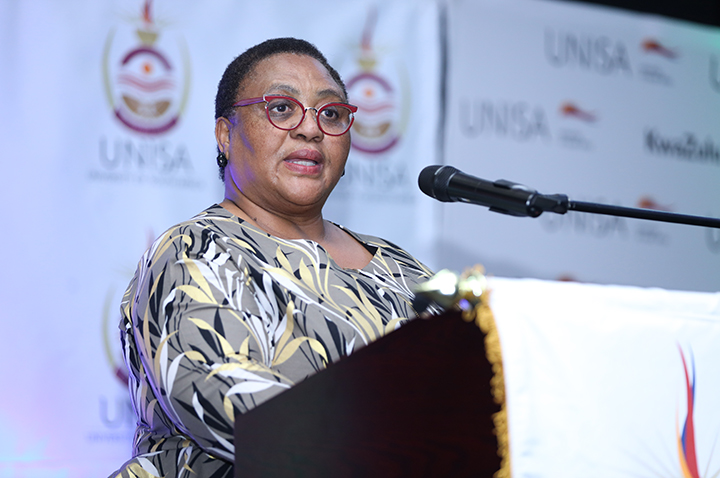 Unisa Spring Graduation opens with stories of perseverance and achievement
 Unisa academic helps develop AI system to stay ahead of cryptocurrency scams